
X

A Technical Deep Dive into Mil-Spec Military Webbing Manufacturing

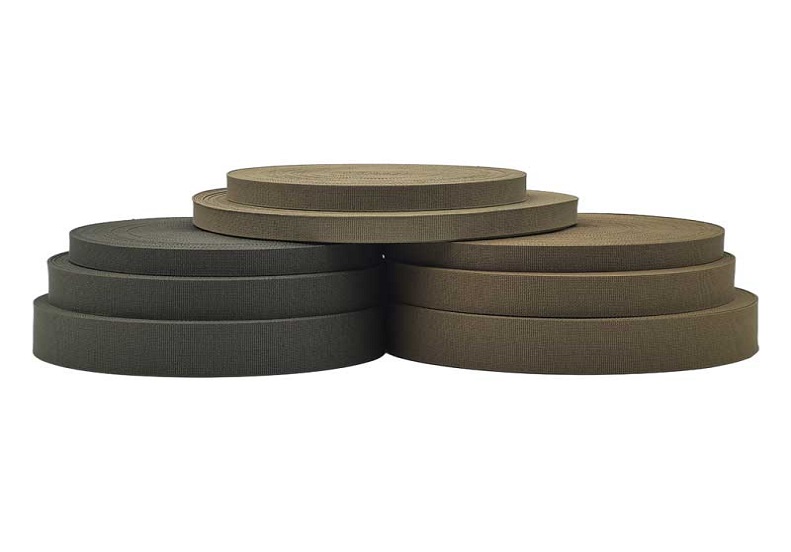
military-webbing

In the ever-evolving landscape of modern defense and security, the performance of critical equipment often hinges on its most fundamental components. While advanced optics and communication systems capture the spotlight, it is the humble yet vital military webbing that forms the silent, resilient skeleton of a soldier’s load-bearing system. Think of it as the critical circulatory system of tactical gear, responsible for distributing weight, securing essential tools, and ensuring operational integrity under extreme duress. In this high-stakes environment, compromising on quality is not an option. This is where specialized manufacturers like Xuli Textile demonstrate their critical value, engineering tactical webbing that meets the rigorous demands of global defense forces. Their commitment lies in transforming high-strength fibers into the durable, reliable backbone that modern warfighters depend on.

The Engineering Process: From Raw Fiber to Battle-Ready Webbing

The production of premium military webbing is a meticulous, multi-stage process where precision and quality control are paramount. Xuli Textile’s methodology can be broken down into four critical phases.

Stage 1: Material Selection & Polymer Engineering

The journey begins with the strategic selection of raw materials, dictated by the end-use application. Xuli Textile utilizes a range of high-performance fibers:

  • Nylon (6 & 66): Chosen for its exceptional tensile strength, elasticity, and abrasion resistance. It is hygroscopic, which can be managed through specific treatments.
  • Polyester: Preferred for its high tensile load rate and minimal strength loss when wet, offering superior dimensional stability in humid environments.
  • Aramid Fibers: Incorporated for inherent durability, offering resistance to high temperatures, flames, and chemical damage.

The technical focus is on sourcing yarns with consistent denier and tenacity, ensuring a predictable and strong foundation for the weaving process. Xuli’s advantage lies in its diversified material portfolio, allowing for tailored solutions based on specific Mil-Spec requirements for flame retardancy, waterproofing, or anti-static properties.

Stage 2: Precision Weaving & Loom Configuration

This phase involves interlacing the warp and weft yarns on specialized narrow-fabric looms. Key technical parameters are strictly controlled:

  • Width Tolerance: Producing webbing in widths from 5mm to 150mm, with common tactical sizes like 25mm (1″), 38mm (1.5″), and 50mm (2″) held to tight tolerances.
  • Weave Density & Thickness: Regulating the weave pattern and beat-up force to achieve a consistent thickness between 0.3mm and 5.0mm, which directly impacts both strength and flexibility.

Xuli’s production expertise ensures a uniform, tight weave that eliminates weak points and provides a smooth surface for easy integration with buckles and ladder locks.

Stage 3: Dyeing & Finishing for Tactical Performance

This is where the webbing gains its functional and signature visual characteristics. For camouflage webbing, this stage is critical.

  • Solution Dyeing: For superior colorfastness, pigment is added to the polymer melt before extrusion, resulting in camouflage webbing that is highly resistant to UV fading.
  • Yarn Dyeing: Used for complex patterns like Multicam, ensuring pattern precision and consistency across long production runs.
  • Functional Finishes: Applications include: ◦ Waterproof and water-repellent (WR) coatings. ◦ Flame-retardant (FR) treatments to meet standards like MIL-STD. ◦ Anti-infrared (IRR) finishes to reduce detectability.

Xuli’s capability for full color and pattern customization is a significant advantage, allowing equipment manufacturers to match specific operational environments.

Stage 4: Rigorous Quality Assurance & Testing

No piece of webbing leaves Xuli Textile’s facility without passing a battery of stringent tests. This phase is non-negotiable.

  • Tensile Strength Testing: Webbing is subjected to controlled tension to verify breaking strength exceeds specified requirements.
  • Abrasion Resistance Checks: Using machines like the Martindale Abrasion Tester to simulate long-term wear.
  • Chemical & Environmental Exposure: Testing resistance to fuels, solvents, UV radiation, and extreme temperatures.

This commitment to QA ensures every meter of webbing delivers reliable performance, reinforcing Xuli’s position as a trusted supplier for high-stakes industries.

The Xuli Textile Standard: Principles of Quality and Differentiation

Xuli Textile’s reputation is built on three core principles that differentiate its products from generic alternatives.

  1. Performance-Grade Material Integrity: They reject commercial-grade substitutes, insisting on fibers with certified specifications for military and tactical applications. This results in webbing with high tensile strength, superior wear resistance, and guaranteed UV resistance.
  2. Precision-Engineered Construction: Through advanced loom technology and process control, they achieve an optimal balance between minimal weight and maximum durability, a critical factor for modern lightweight equipment mandates.
  3. Comprehensive Certification Adherence: Their production processes are designed to meet and exceed relevant international standards, including Mil-Spec parameters for IRR military nylon webbing and other specialized products. Their in-house testing lab is a cornerstone of their quality promise.

Application-Specific Solutions for Demanding Environments

The true test of tactical webbing is its performance in the field. Xuli’s products are engineered for a wide range of critical applications:

  • Body Armor & Tactical Vests: Requiring webbing with high strength-to-weight ratios and compatibility with PALS/MOLLE systems.
  • Gun Slings & Equipment Retention: Demanding exceptional abrasion resistance and durability to secure heavy weapons and gear.
  • Military Backpacks & Field Equipment: Needing webbing that can withstand heavy loads and harsh environmental conditions without degradation.

For each scenario, Xuli Textile provides tailored solutions, understanding that a one-size-fits-all approach is insufficient for professional-grade equipment.

Forge a Strategic Partnership for Superior Gear

In a sector where reliability is synonymous with safety, partnering with a component specialist like Xuli Textile is a strategic decision. They position themselves not just as a supplier, but as an engineering partner capable of co-developing solutions that enhance the performance and reliability of your final product.

For detailed technical datasheets, material samples, or to discuss custom military webbing requirements for your next project, we recommend initiating a direct consultation. Their expertise can provide the material assurance your equipment demands.

Contact Xuli Textile for expert support:
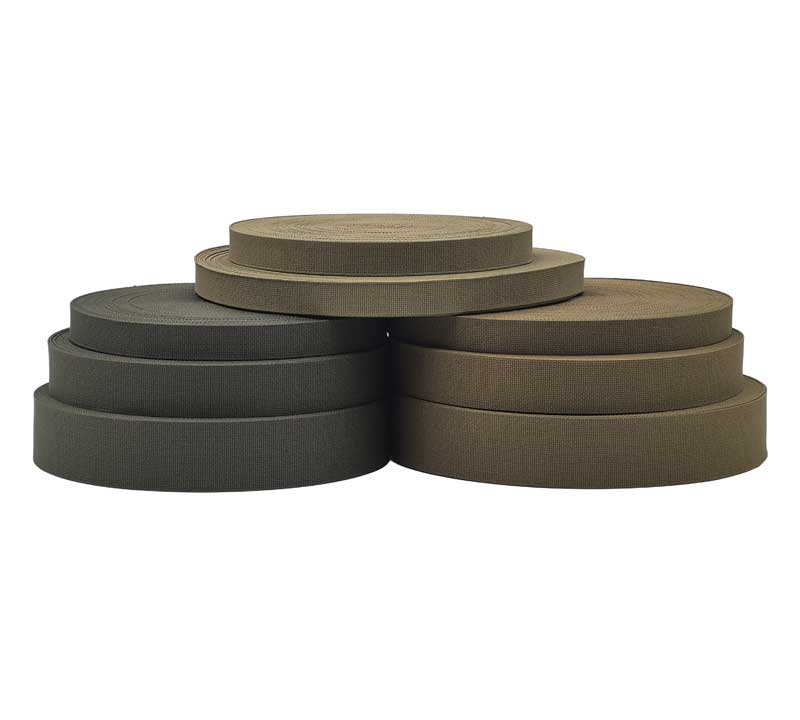
military-webbing
The Unseen Backbone: A Technical Deep Dive into Advanced Military Webbing Defeat Infrared Detection: The Ultimate IRR Military Nylon Webbing for Tactical Superiority

Recent Posts
